




AARP Hearing Center













































Thinking Policy

A range of employment indicators has revealed a mixed picture of the US labor market in recent months. While some of the latest data give room for optimism about job growth in some industries, many industries continue to shed jobs. Many older workers are employed in the industries and occupations…
Most of the 1.2 million people living with HIV in the United States are now over the age of 50, and more than 175,000 are over the age of 65. For many people who were diagnosed prior to the introduction of revolutionary highly active antiretroviral therapy, life expectancy was measured in months,…
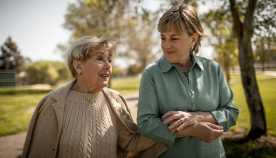
Surveys illuminate people’s preferences for aging in place and reforms that promote more supply

The recommended age for colorectal cancer screening has been lowered to 45 by the USPSTF.
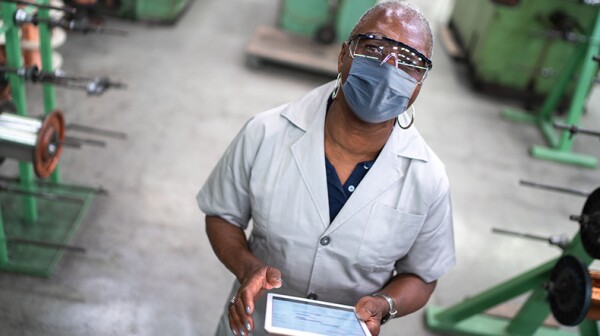
The COVID-19 pandemic has highlighted labor market inequities. A growing body of research shows how much the economy stands to gain from addressing them.
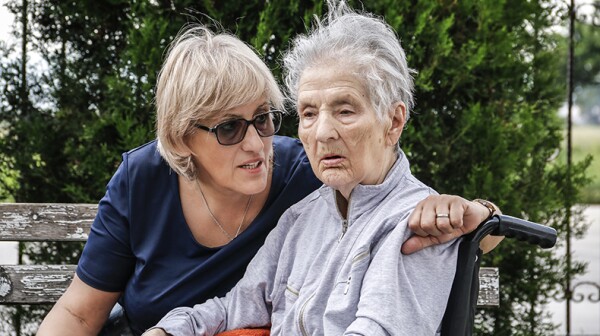
Presumptive eligibility expands consumer choice and can empower consumers to access public funded home and community-based services without lengthy determination delays.

The pandemic has highlighted longstanding gaps in bank account access and ownership for older adults.
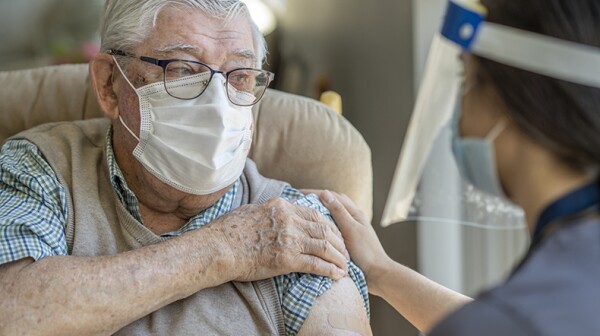
While the deployment of vaccines in nursing homes has largely been a success thus far, facilities are far from finishing this task. They must now enter a next phase of vaccination and confront a new set of issues.

Temporary jobs, usually the first to be added at the beginning of economic recoveries, are now rising. Older jobseekers trying to reenter the job market may view temporary jobs as an onramp back into employment.

Recent federal actions improve access to affordable health insurance.

A payment pause and expanded employer assistance help some borrowers tackle their student loans, although others are left out.
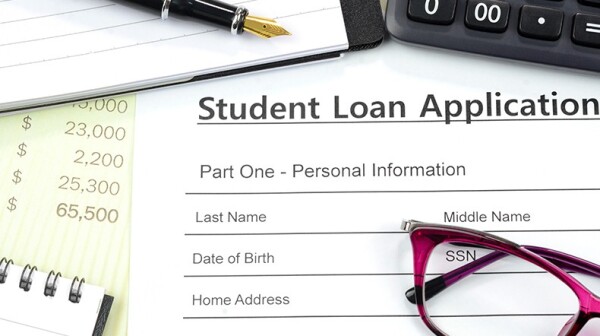
Student loan debt was never meant to last a lifetime or become a threat to retirement security. Yet today, borrowers frequently wind up carrying it into retirement, long beyond their working years.

Many of the trends that informed predictions about the future US workforce have reversed during the pandemic. Now economists wonder how workers across multiple generations will bear the pandemic's effects into the next decade.
Search AARP Blogs
Recent Posts